
.jpeg)
You feel unwell.
You go to the hospital.
You pay for consultation, tests, and medication.
Then life continues until the next time something goes wrong.
This pay-per-visit approach has been the traditional way many people access healthcare. But as healthcare costs continue to rise, more individuals and families are beginning to ask a simple question:
Is it better to keep paying per visit, or to have a healthcare plan?
The answer often becomes clearer when you look at how healthcare actually plays out over time.
A Simple Real-Life Scenario
Two professionals living in Abuja. Both are healthy and in their early 30s.
Ada — Pay Per Visit
Ada only visits the hospital when something feels wrong.
During one year, she visits the clinic three times:
- once for persistent fatigue
- once for a recurring infection
- once for a routine health check she finally decides to do
Each visit includes a consultation, some laboratory tests, and medication. Each time, she pays separately.
Tunde — Healthcare Membership
Tunde signs up for a healthcare membership plan.
Because consultations are already part of his plan, he finds it easier to:
- check his blood pressure regularly
- speak to a doctor when he feels unusually tired
- schedule preventive health checks
When mild symptoms appear, he consults a doctor earlier rather than waiting until they worsen.
By the end of the year, both Ada and Tunde have received medical care.
But their experience of accessing healthcare is very different.
Ada reacts to illness.
Tunde manages his health proactively.
This difference is why healthcare membership models are becoming more common across the world.
How Pay-Per-Visit Healthcare Works
With the pay-per-visit system, every hospital visit comes with separate charges.
A typical visit may include:
- consultation fees
- laboratory tests
- medication
- follow-up appointments
For example, a single visit might involve a doctor consultation, blood tests, and medication.
Individually these costs may seem manageable. But when they occur multiple times within a year, healthcare spending can become unpredictable.
This uncertainty is one reason many people delay medical visits.
How Healthcare Plans Work
Healthcare plans are designed to make healthcare access more predictable and easier to manage.
Instead of paying separately for each consultation, individuals subscribe to a structured healthcare plan, usually through monthly or annual payments.
These plans often include access to services such as:
- doctor consultations
- telehealth support
- preventive health checks
- routine medical guidance
The goal is to help people stay connected to healthcare providers and address concerns earlier rather than waiting for symptoms to worsen.
If you want a deeper understanding of how healthcare membership works in Nigeria, you can read our full guide here:
👉 EHA Clinics Membership Plans: Your Complete Guide to Affordable Healthcare in Nigeria
Comparing the Two Approaches
The difference between these two healthcare models becomes clearer when placed side by side.
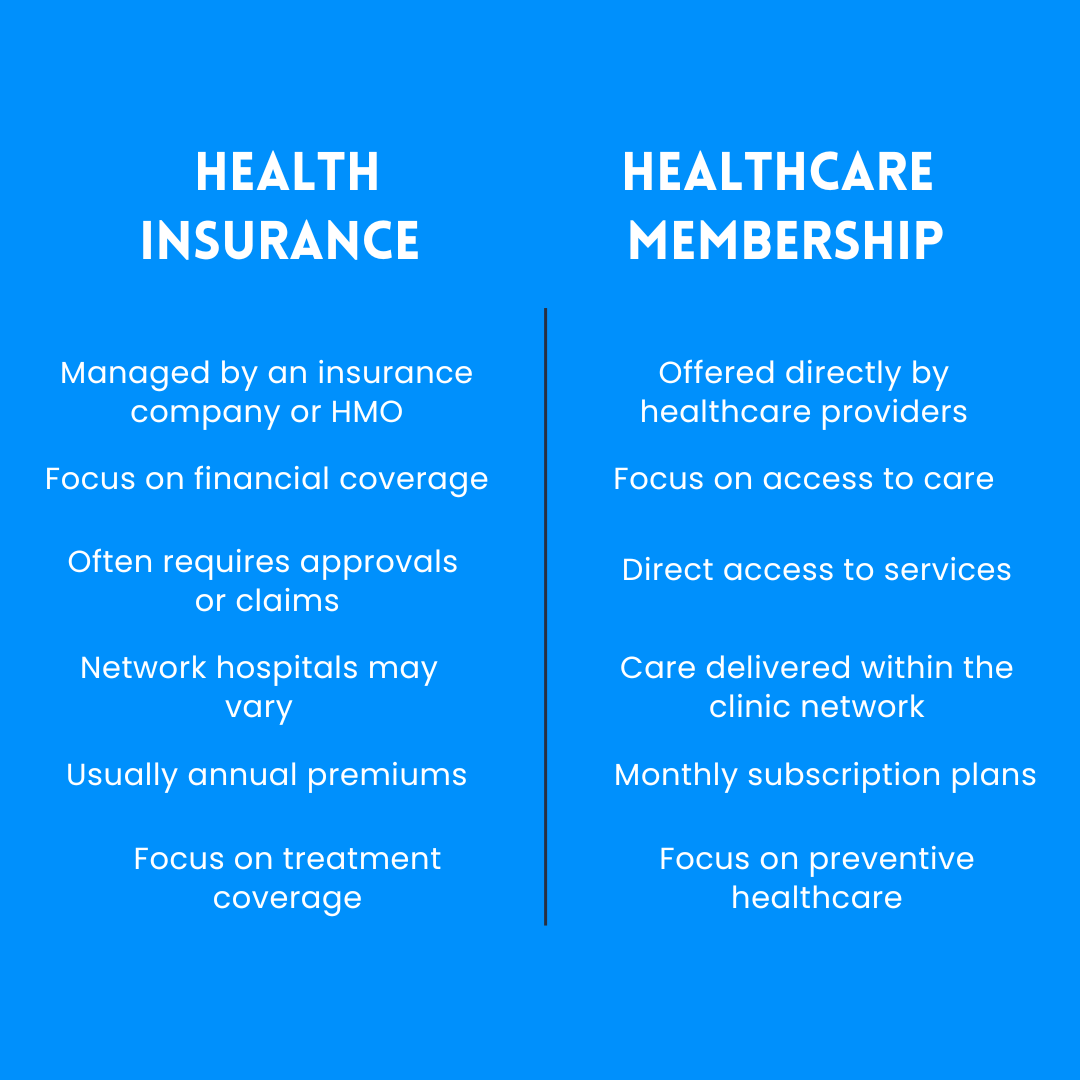
Why Preventive Healthcare Matters
One of the biggest challenges with pay-per-visit healthcare is that people often wait until symptoms become serious before visiting a doctor.
However, many health conditions develop gradually without obvious early symptoms.
Examples include:
- hypertension
- diabetes
- cholesterol imbalance
- stress-related health conditions
Routine consultations and health checks help detect these risks early, when they are easier to manage.
Healthcare plans support this kind of preventive healthcare, helping people stay ahead of potential health problems.
When Paying Per Visit May Still Make Sense
Pay-per-visit healthcare may work for individuals who:
- rarely visit a clinic
- prefer full flexibility in choosing providers
- only seek care occasionally
However, even healthy individuals benefit from routine health monitoring.
Health risks often develop silently.
When a Healthcare Plan May Be a Better Choice
Healthcare plans may be a better option if you:
- want predictable healthcare costs
- want easier access to doctors
- want preventive health checks included
- manage ongoing health concerns
- prefer convenient options such as telehealth consultations
For many professionals and families, healthcare plans simply make healthcare easier to manage.
If you’re considering a structured approach to healthcare access, you can explore available options here:
👉 Explore EHA Clinics Membership Plans
Healthcare Is Easier When It Is Consistent
Healthcare should not feel like something you only think about when symptoms appear.
It should be something that supports your health throughout the year.
Membership-based healthcare models make it easier to maintain this consistency by encouraging regular consultations and preventive checks.
If you’re wondering whether a healthcare plan is something you should consider, you may find this helpful:
👉 7 Signs You Need a Healthcare Plan — Even If You Feel Healthy
Because sometimes the best time to take care of your health is before something goes wrong.
Frequently Asked Questions
Is paying per hospital visit cheaper?
Pay-per-visit healthcare may appear cheaper at first. However, people who visit clinics multiple times a year often find healthcare plans more predictable and easier to manage.
What is a healthcare membership plan?
A healthcare membership plan allows individuals to access consultations, preventive care, and medical guidance through a structured subscription rather than paying separately for every visit.
Do healthy people need healthcare plans?
Yes. Preventive healthcare helps detect risks early and allows individuals to monitor their health consistently even when they feel well.
.png)
.png)